
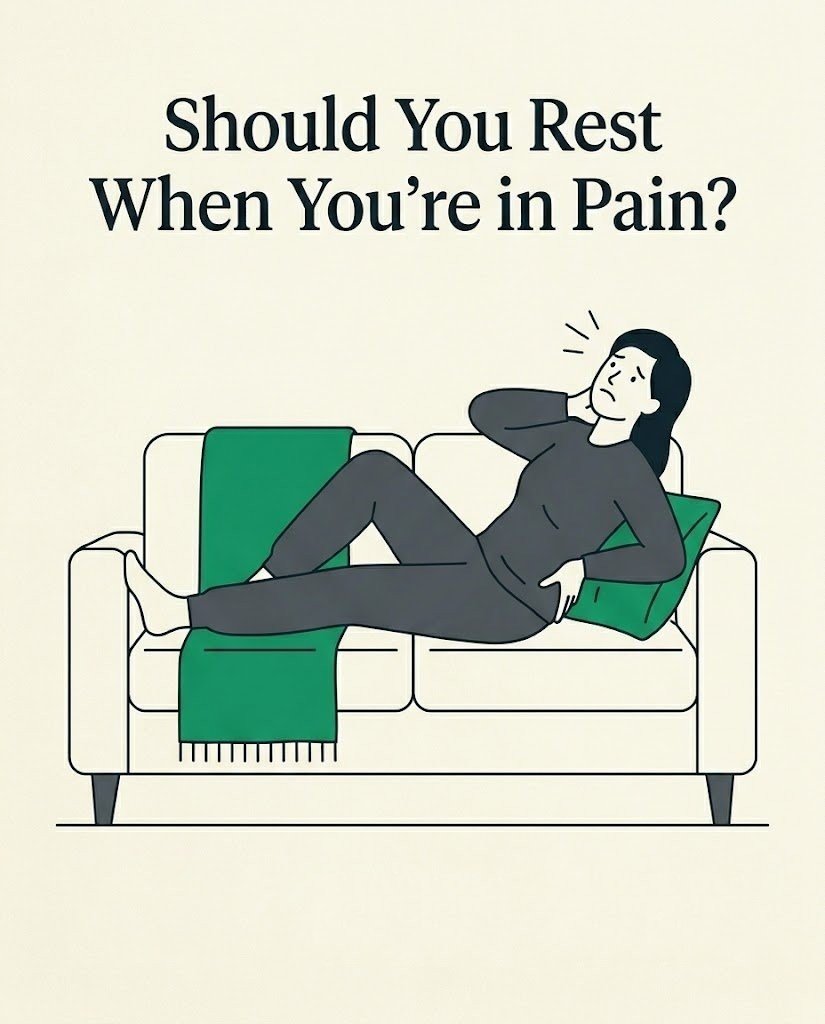
When pain strikes, many of us instinctively stop moving. After all, rest feels like the safest way to protect our bodies from further harm.
For many years, complete bed rest was considered the standard advice for recovering from pain. While rest certainly has an important role, modern rehabilitation has shown that the answer isn't always as simple as "stay in bed until you feel better."
So, is complete rest really the best treatment for pain?
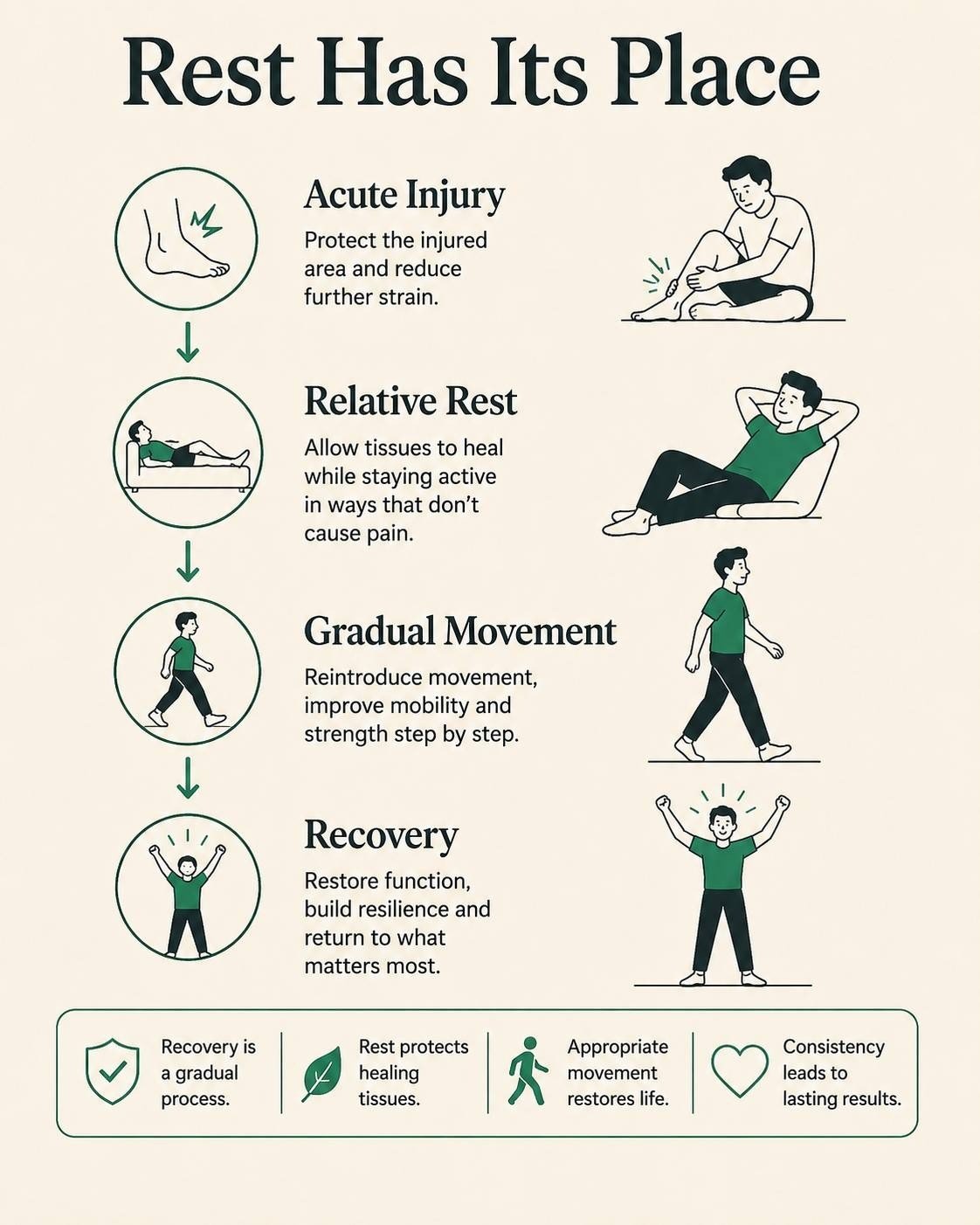
After an acute injury—such as an ankle sprain or a muscle strain—a short period of protection and relative rest is often appropriate. During the first few days, inflammation is a normal part of the body's healing process, helping to repair injured tissues.
However, relative rest doesn't mean complete inactivity. Instead, it means temporarily modifying activities that aggravate the injury while keeping the rest of your body as active as is safely possible. This approach supports healing without the secondary effects that prolonged immobility can bring.
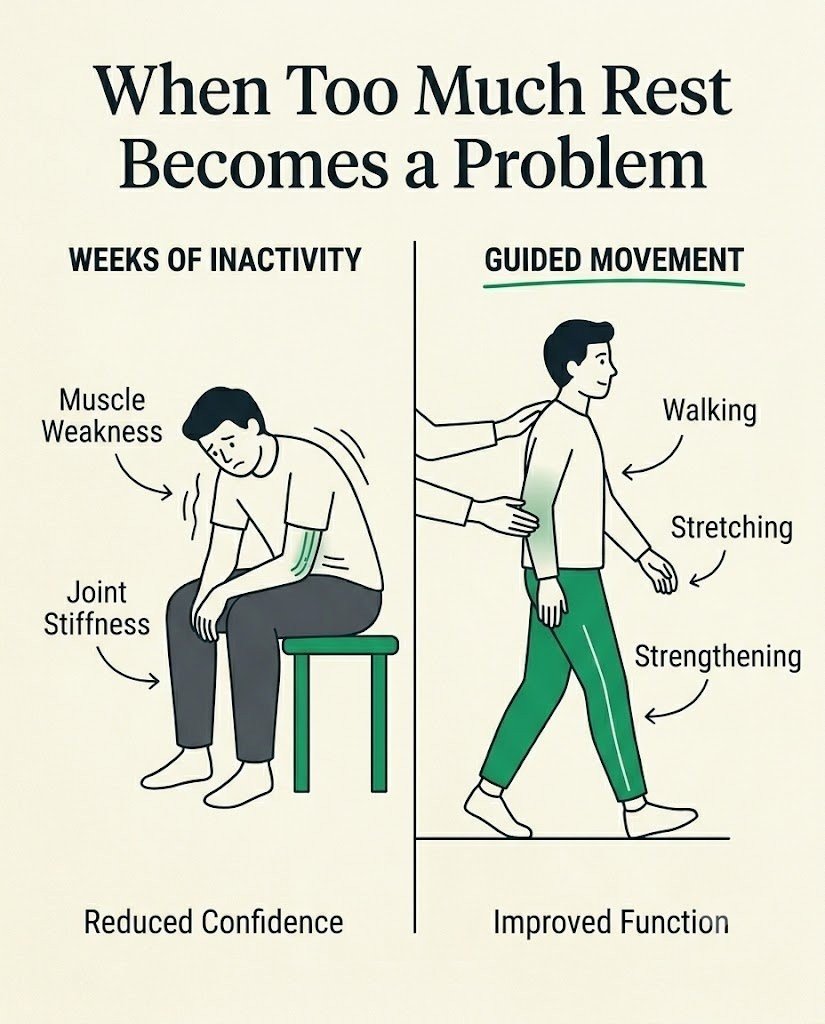
Persistent musculoskeletal conditions—such as ongoing back pain, neck pain, shoulder pain, or knee pain—often behave differently from a recent injury. In these situations, prolonged inactivity can contribute to muscle weakness, joint stiffness, reduced physical conditioning, and a growing fear of movement, all of which may make recovery more difficult.
Modern pain science tells us that persistent pain is influenced by more than injured tissues alone. Sleep quality, stress, physical activity, confidence in movement, and overall health can all affect how pain is experienced. For many people, gradually reintroducing appropriate movement, improving strength and mobility, and addressing contributing factors forms an important part of long-term rehabilitation.
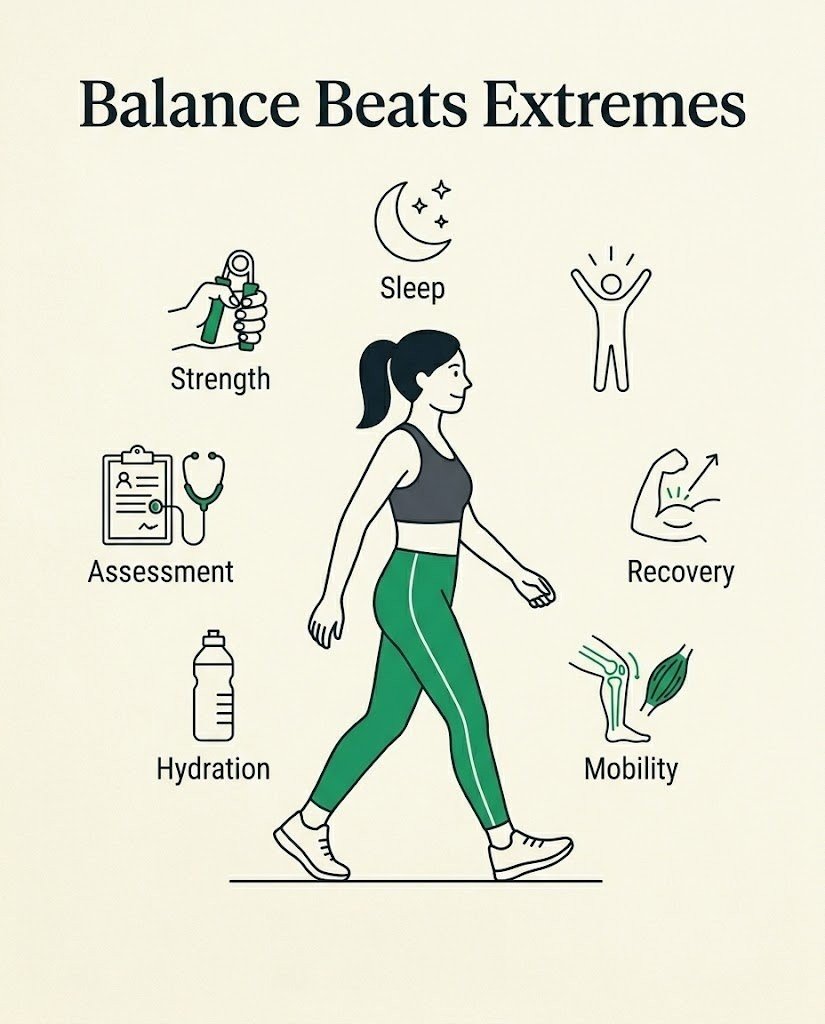
Neither complete rest nor constant activity is the answer for every situation. The most effective approach depends on the nature of the injury, the stage of healing, and your individual circumstances.
If pain persists, keeps returning, or is getting worse, seek a professional assessment. Different conditions require different approaches, and understanding the underlying cause is an important step toward effective recovery.
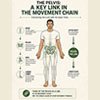
How your pelvis influences your entire body?
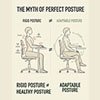
Does good posture mean sitting perfectly straight?
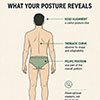
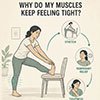
Why Do Your Muscles Always Feel Tight?

Understand Why Shoulder Pain Persists
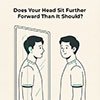
Why Does Your Head Sit Too Far Forward? What Your Posture May Be Telling You

One Shoulder Higher Than the Other? What Your Posture May Be Telling You

Does More Pain Always Mean More Damage?

Decode Your Eyes: What Are They Trying to Tell You?

Why Do You Keep Waking Between 2 AM and 4 AM?

Why Your Neck Pain Keeps Coming Back

Should You Rest When You're in Pain?

Decode Your Tongue: What Is It Trying to Tell You?


© 2021 AeAON – Arihant Ekata Aadya Omkara Namah. All Rights Reserved.