

These conditions affect the muscles, bones, and joints, often resulting in pain, stiffness, or limited movement.
Learn More
Poor posture and structural misalignments can gradually lead to chronic discomfort, fatigue, and even systemic imbalances.
Learn More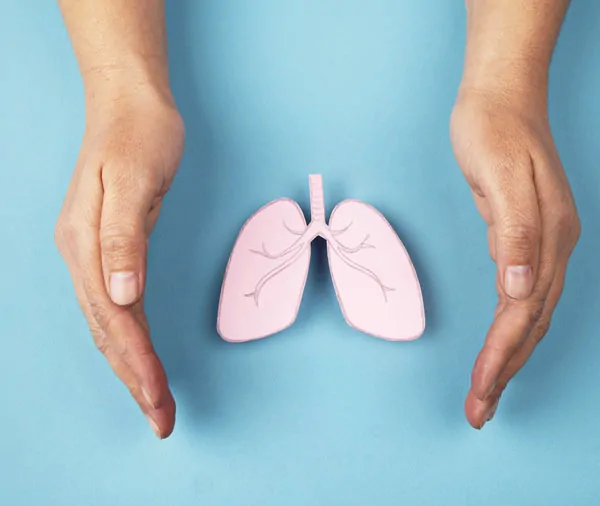
Respiratory challenges such as asthma, sinusitis, bronchitis, or allergies often stem from inflammation, immune response, or environmental factors.
Learn More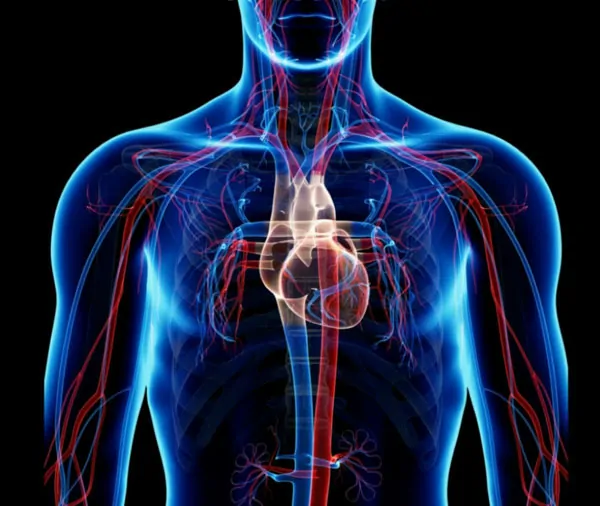
Problems with circulation and heart function—like high blood pressure, palpitations, or cold extremities—can indicate deeper imbalances in the body's flow of energy and blood.
Learn More
Digestive health is central to overall well-being. Conditions such as acidity, bloating, constipation, or irregular appetite point to an imbalance in the digestive system’s function.
Learn More
An imbalanced immune system can lead to frequent illnesses, allergies, or delayed recovery.
Learn More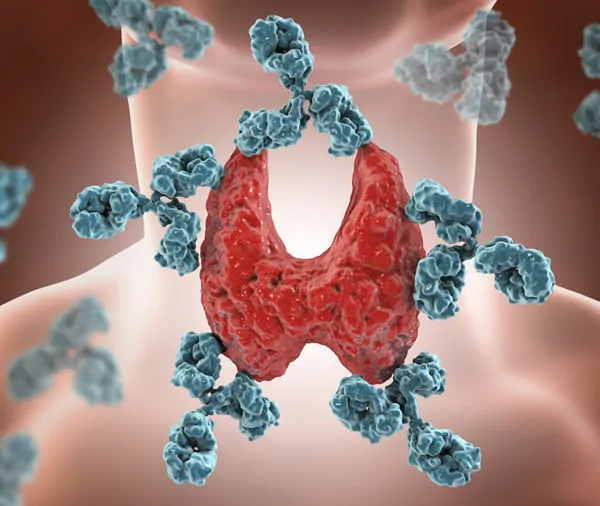
Autoimmune issues arise when the body's defense system mistakenly targets its own tissues.
Learn More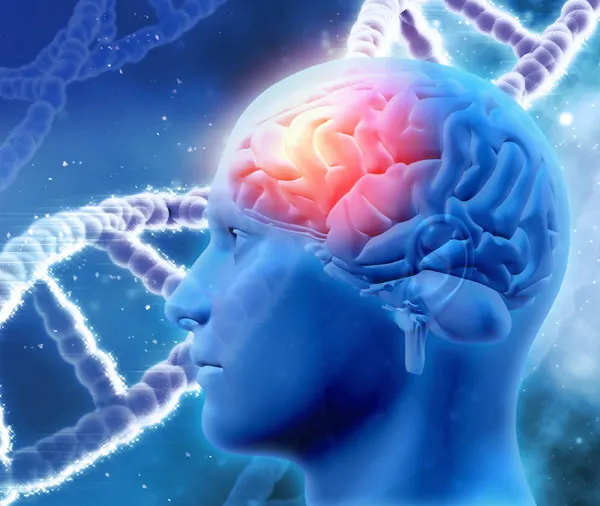
An imbalanced nervous system may show up as restlessness, fatigue, mood swings, or difficulty focusing.
Learn More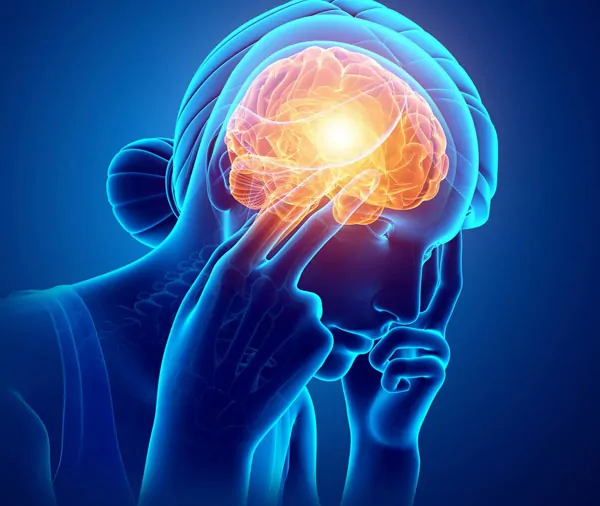
Neurological conditions such as migraines, nerve pain, or coordination issues often result from dysfunction in the brain or nervous pathways.
Learn More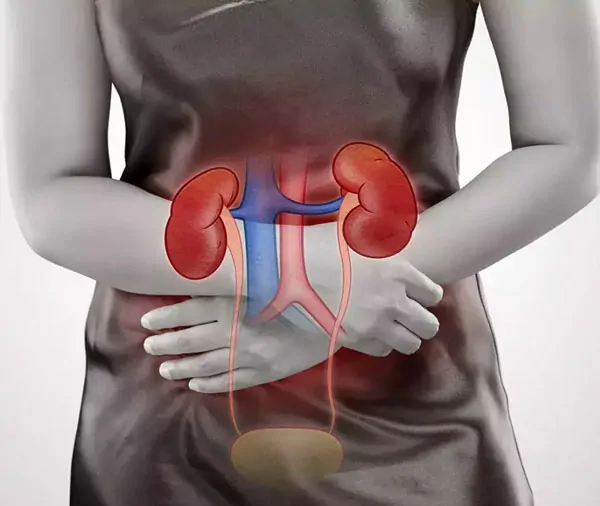
Concerns related to the urinary and reproductive systems—such as irregular menstruation, urinary frequency, or prostate discomfort—often indicate internal imbalances.
Learn More
Modern habits such as poor sleep, excessive screen time, irregular meals, and lack of exercise have given rise to a range of chronic issues.
Learn More
Chronic stress and anxiety have far-reaching effects on physical, mental, and emotional health.
Learn More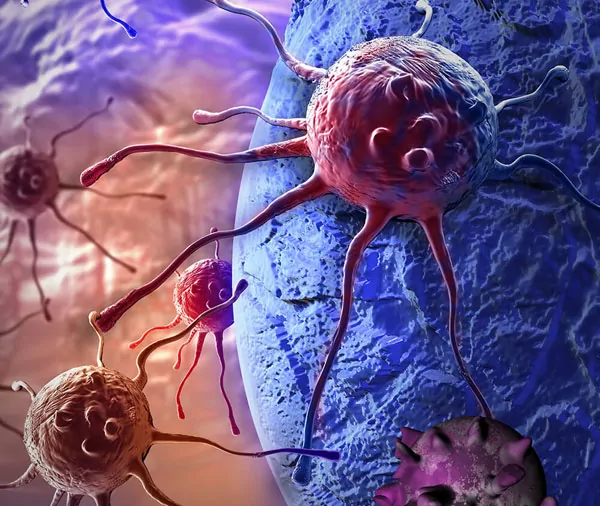
Hormones play a vital role in regulating everything from metabolism and sleep to mood and reproduction.
Learn More© 2021 AeAON – Arihant Ekata Aadya Omkara Namah. All Rights Reserved.