
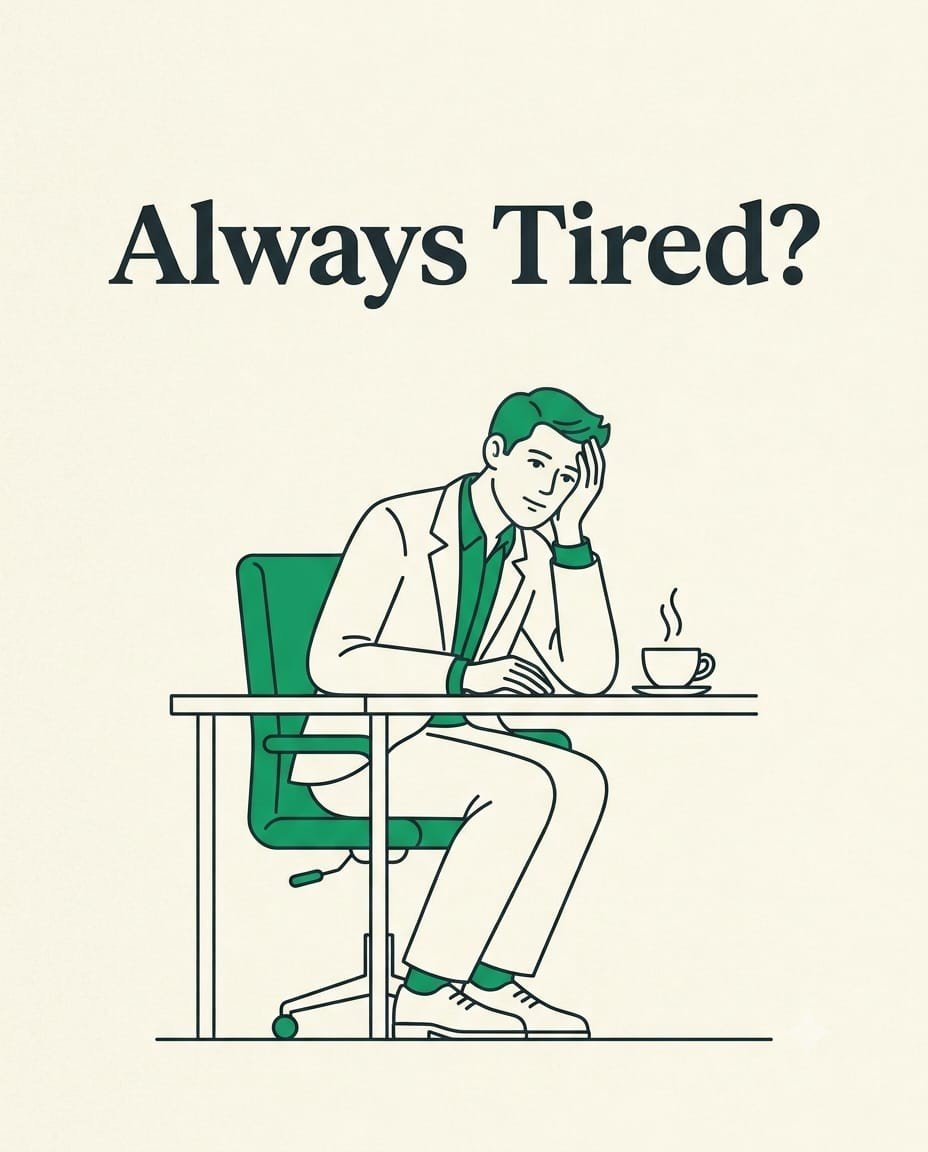
You slept for eight hours. Yet by mid-morning, you're already reaching for another cup of coffee.
That persistent feeling of low energy can be incredibly frustrating. While it's tempting to assume you simply need more rest, the reality is often more complex. Like many symptoms, fatigue is often a clue rather than the problem itself. It may be your body's way of telling you that something deserves a closer look.
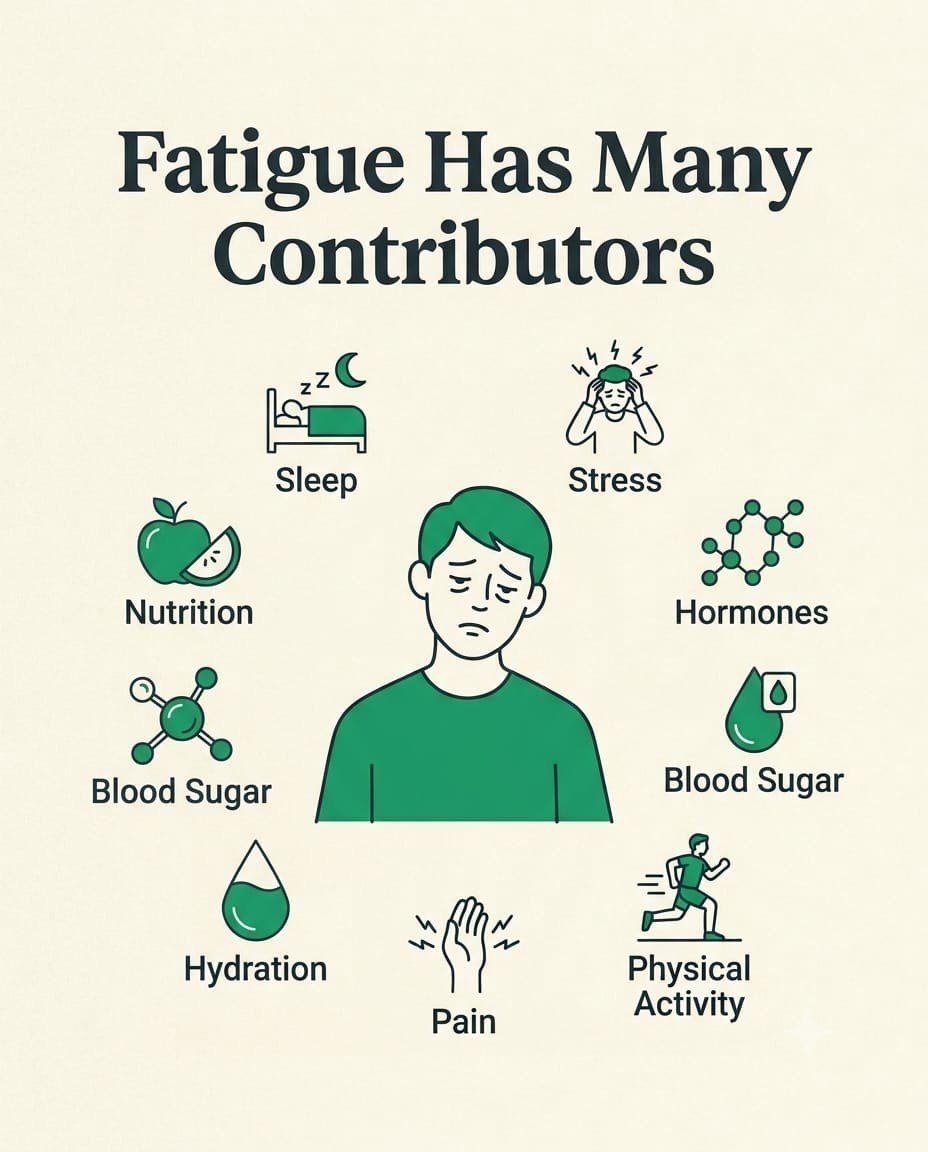
Fatigue rarely has a single cause. Your energy depends on multiple body systems working together. When you experience persistent fatigue, it is often because these interconnected systems are no longer working in harmony.
For instance, poor sleep quality can leave you feeling tired even after sleeping for several hours. Chronic stress keeps stress hormones elevated, gradually depleting your physical reserves. Nutritional deficiencies, blood sugar fluctuations, inadequate hydration, lack of regular physical activity, and even persistent pain can all increase your body's energy demands, leaving you feeling continually drained.
These different patterns may have different contributing factors, which is why persistent fatigue deserves a broader perspective.
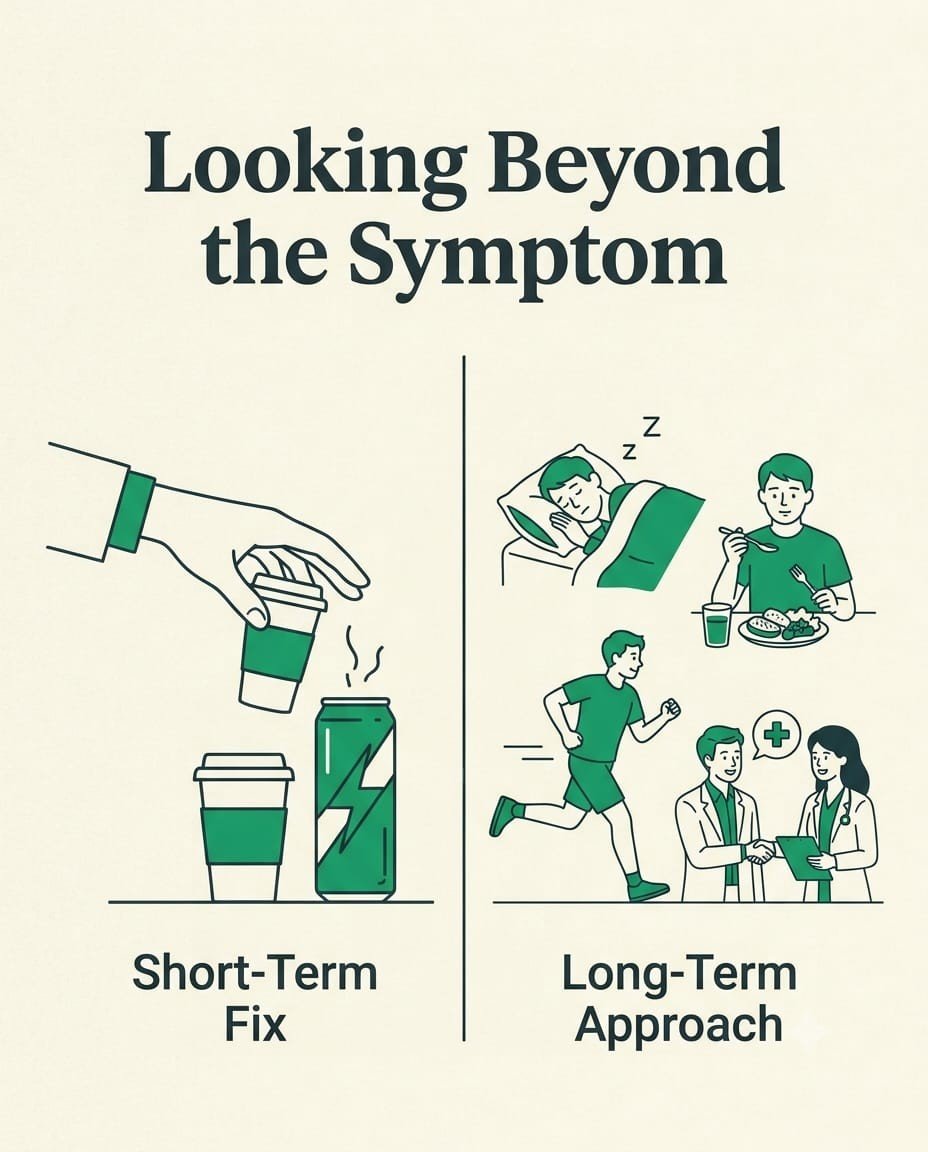
Because energy relies on the whole body, fatigue is best understood as a symptom rather than a standalone diagnosis. Reaching for another cup of coffee or an energy drink may provide a temporary boost, but it doesn't explain why your energy is low.
When tiredness persists, it's worth looking beyond the symptom itself. A comprehensive professional assessment considers lifestyle, sleep, nutrition, physical activity, stress, medical history, and other physiological factors that may be contributing to persistent fatigue. Understanding these interactions helps guide a more personalized approach to improving long-term energy and well-being.
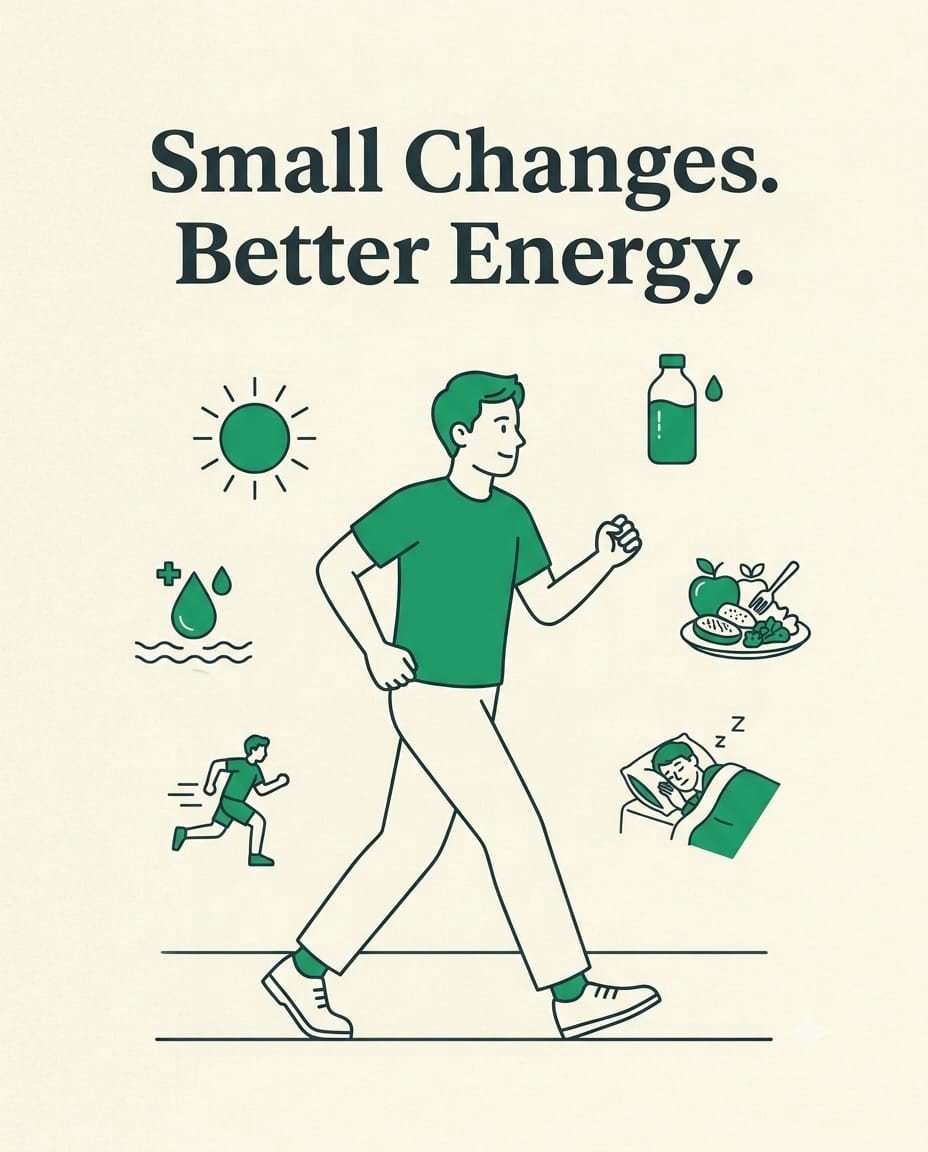
Understanding the contributors to persistent fatigue is the first step toward lasting vitality.
If persistent fatigue is affecting your daily life, a professional evaluation can help identify possible contributing factors and guide appropriate care.
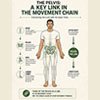
How your pelvis influences your entire body?
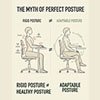
Does good posture mean sitting perfectly straight?
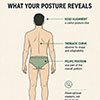
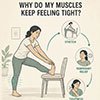
Why Do Your Muscles Always Feel Tight?

Understand Why Shoulder Pain Persists

Why Does Your Head Sit Too Far Forward? What Your Posture May Be Telling You

One Shoulder Higher Than the Other? What Your Posture May Be Telling You

Does More Pain Always Mean More Damage?

Decode Your Eyes: What Are They Trying to Tell You?

Why Do You Keep Waking Between 2 AM and 4 AM?

Why Your Neck Pain Keeps Coming Back

Should You Rest When You're in Pain?

Decode Your Tongue: What Is It Trying to Tell You?


© 2021 AeAON – Arihant Ekata Aadya Omkara Namah. All Rights Reserved.